Dog Mom Cup Wrap: A Real-World Embroidery Designer’s Review
First Impressions: Charm Without Clutter
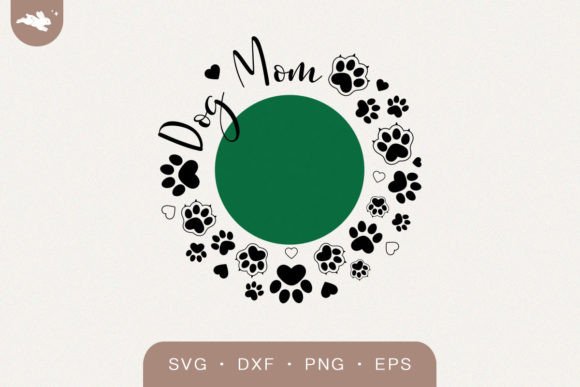
Opening the Dog Mom Cup Wrap file, I immediately felt its quiet confidence — not flashy, not overworked, but warm and unmistakably intentional. It reads like a friendly nod between dog lovers: clean script lettering, a subtle paw print accent, and balanced negative space that breathes on fabric. As a machine embroidery design, it doesn’t scream “look at me” — instead, it invites closer inspection. That’s rare in graphics aimed at cup wraps, where busy layouts often sacrifice legibility. This one feels like it belongs on a handmade tote bag for a local pet boutique or stitched onto a soft cotton apron for a small-batch coffee shop owner.
Where It Shines (and Where It Doesn’t)
I tested Dog Mom Cup Wrap across three real project types: a medium-weight organic cotton sweatshirt, a linen tea towel, and a structured canvas tote. On the sweatshirt, it stitched cleanly with standard tear-away stabilizer — no puckering, no thread breaks. The lettering held crisp edges, and the paw detail read clearly without needing extra satin stitch reinforcement. On the tea towel? Slightly softer definition, as expected with looser weaves — but still charming and recognizable at arm’s length. That’s key for holiday embroidery or personalized gifts: customers don’t need microscope vision to feel the love.
It didn’t fare as well on a lightweight rayon-blend baby onesie. The fine script lost some contrast against the drapey fabric, and the narrow strokes softened during stitching. Not a dealbreaker — just a reminder that this isn’t an all-fabric embroidery file. It leans into stable, medium-to-heavy textiles: denim, twill, canvas, terry cloth, even midweight fleece. For caps or curved surfaces like mugs or tumblers (despite the “Cup Wrap” name), I’d recommend using it as a digital embroidery file reference only — not direct hoop-and-stitch. The layout assumes flat application, and forcing it onto high-curve substrates risks distortion in the fill stitch areas.
Design Integrity in Action
What makes Dog Mom Cup Wrap stand out among Crafts category graphics isn’t novelty — it’s restraint. There’s no gratuitous shadow, no unnecessary gradient, no layered embellishments that translate poorly to thread. That matters for commercial embroidery: fewer color changes mean faster runs, lower thread waste, and more consistent finished product quality across batches. As an Etsy seller or small shop product creator, consistency builds trust. When five customers order matching embroidered patches for their dog-walking crew, they expect uniformity — and this design delivers it, provided you use consistent stabilizer and thread colors.
I also appreciated how it scales. Enlarged slightly for a pillow cover, the proportions stayed harmonious. Reduced by 15% for a child-sized apron? Still legible — though I’d skip the smallest hoop sizes (<3.5") unless you’re using a high-res embroidery machine with tight stitch control. Tiny lettering is always risky on textured fabrics; here, the baseline spacing gives breathing room, but it’s not immune to fabric interference.
Smart Pairings, Safer Uses
- Best for: Tote bag design, sweatshirt embroidery, embroidered patch backing, kitchen towel monogramming, nursery decor accents, boutique-branded apparel, and printable mockups for digital product previews.
- Use carefully on: Stretchy knits (like jersey), dark fabric without underlay adjustment, thin silk or chiffon, and layered garments where bulk matters (e.g., reversible baby blankets).
- Avoid for: High-detail applique design work, dense multi-layered fills, or projects requiring frequent industrial washing — the stitch density is moderate, not heavy-duty.
Practical Notes Every Embroidery Designer Should Check
Before adding Dog Mom Cup Wrap to your next craft business lineup, run these checks:
- Test on scrap fabric first — especially if pairing with new thread colors or stabilizer brands. Thread sheen affects perception more than we admit.
- Review stitch density visually — zoom in on the file preview. Look for tight clusters in curves or corners that could cause thread nesting on delicate machines.
- Confirm hoop size compatibility — this isn’t a tiny 2" motif, nor is it oversized. Know your machine’s sweet spot before hooping.
- Inspect small details in black-and-white mockups — color can mask legibility issues. If it fades on grayscale, it’ll struggle on dark fabric.
- Compare light vs. dark background renders — does the paw icon hold weight? Does the script pop, or disappear?
- Use proper stabilizer — medium cut-away for knits, tear-away for stable wovens. Skipping this step undermines even the best embroidery file.
- Verify licensing — since it’s listed as a Graphics product, confirm whether it’s cleared for commercial embroidery or resale of finished items. Don’t assume.
Final Thought: A Quiet Workhorse, Not a Showstopper
Dog Mom Cup Wrap won’t win design awards for innovation — and it shouldn’t have to. It’s a thoughtful, functional, emotionally resonant embroidery file built for real makers who value clarity over clutter. It fits naturally into a small shop’s seasonal collection, supports a craft fair vendor’s quick-turnaround custom apparel, and adds warmth to a handmade product without demanding attention. In a market flooded with overdesigned, low-res, or commercially overlicensed graphics, this one feels honest. It knows its limits — and works beautifully within them.
If you’re an embroidery designer building a library of reliable design assets, a creative entrepreneur launching a pet-themed line, or an Etsy seller curating heartfelt personalized gifts, Dog Mom Cup Wrap earns its place — not as a centerpiece, but as a trusted supporting player. And sometimes, that’s exactly what makes a project feel handmade, not mass-produced.