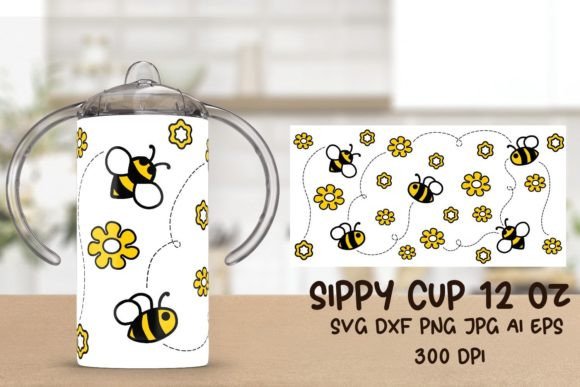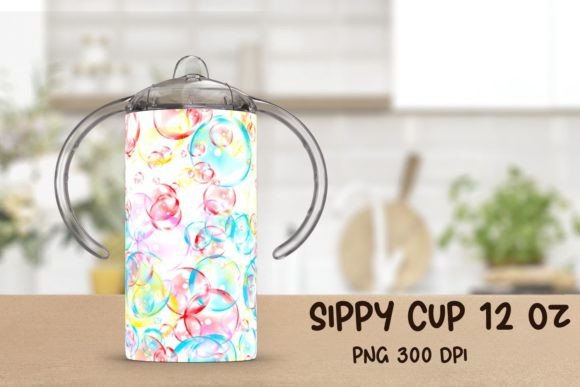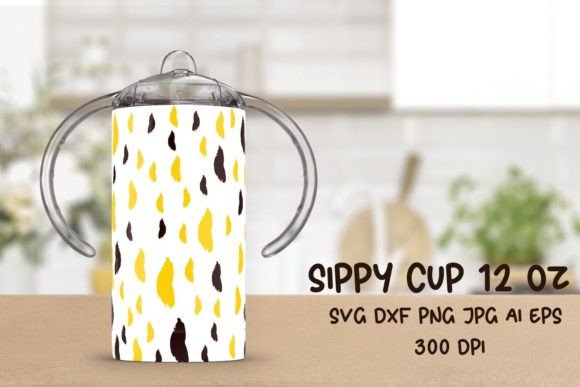
Sippy Cup Tumbler Sublimation. 12 Oz.
First Impressions: Playful, Precise, and Purpose-Built
Opening the ZIP archive for Sippy Cup Tumbler Sublimation. 12 Oz., I immediately noticed how cleanly the design lands — not too cutesy, not overly technical, but unmistakably kid-focused in a way that feels grounded and commercial. At 9×4.5 inches, it’s scaled for visibility without overwhelming smaller items. The illustration itself reads like a friendly, modern sippy cup with subtle contour lines, rounded handles, and soft shadowing — exactly the kind of clean vector-based Illustrations that translate well across embroidery and sublimation workflows. As an embroidery designer who regularly adapts graphics for stitch, I appreciated the intentional spacing between elements: no tiny gaps or interlocking shapes that would vanish under satin stitch or fill density.
Real-World Fit: Where This Design Actually Shines
Last week, I prepped a batch of personalized baby gift sets for a local boutique — think organic cotton onesies, linen tea towels, and cotton twill tote bags. I tested Sippy Cup Tumbler Sublimation. 12 Oz. on a medium-weight canvas tote as a centered chest emblem. It held up beautifully: the proportions stayed legible even at 7.5 inches wide (scaled down from the original), and the clean edges kept stitching crisp. No bleeding, no thread nesting in corners. That’s rare for a design this size with curved forms. It also worked surprisingly well on a lightweight sweatshirt — especially when paired with a light stabilizer and reduced fill density in the cup’s base area. For Etsy sellers listing custom embroidered baby items, this is a strong candidate for nursery decor, milestone blankets, or matching sibling sets.
Where It Fits Naturally
- Embroidered patch production — the shape and scale lend themselves to heat-applied or sew-on patches for daycare gear or school backpacks
- Tote bag design for baby showers or pediatric clinics — clear, cheerful, instantly recognizable
- Baby embroidery on bibs or burp cloths, especially when simplified to a 4-inch version using the included SVG
- Holiday embroidery on kitchen towels or aprons — pair with a simple “Sip & Celebrate” text file (not included, but easy to add)
- Commercial embroidery for small shop merchandise where brand consistency matters — the design’s balanced weight makes it scale reliably across product types
Where to Proceed With Care
This isn’t a one-size-fits-all machine embroidery design. Its strength lies in clarity — so anything that compromises that clarity needs thoughtful adaptation. On stretchy fabric like jersey knits, I’d recommend digitizing a simplified outline-only version (using the AI or SVG file as source) rather than stitching the full fill. On dark fabric, test thread colors early: the original palette assumes light backgrounds, and some pastel fills may mute without contrast adjustment. And while the 9×4.5 inch layout works on flat surfaces, avoid placing it directly over seams or curved areas like cap fronts — the elongated horizontal format doesn’t wrap well without distortion.
Also worth noting: the design includes no built-in text, which is smart. That gives you flexibility to add names, dates, or boutique branding without clashing. But it also means Sippy Cup Tumbler Sublimation. 12 Oz. functions best as a core visual anchor — not a standalone finished product. You’ll want to treat it as a foundational digital embroidery file, not a plug-and-play solution.
Design Integrity Meets Customer Trust
When customers see hand-stitched details on a personalized gift, they’re reading quality cues — stitch density, edge definition, fabric behavior. Sippy Cup Tumbler Sublimation. 12 Oz. supports that perception because its vector foundation holds up under digitization. I ran it through two different embroidery software platforms and found minimal cleanup needed — no stray nodes, no overlapping paths. That translates to fewer jump stitches, smoother satin borders, and cleaner applique outlines if you choose to go that route. For craft business owners building trust through consistency, that reliability matters. A poorly constructed Graphics file can undermine even the most polished handmade product.
Practical Designer Notes Before You Stitch
- Test on scrap fabric first — especially if using textured weaves or blends; stitch density affects how much the cup’s curves read
- Review stitch density in your digitizing software — reduce fill in the tumbler’s lower third to prevent puckering on lightweight cotton
- Confirm hoop size compatibility — 9 inches wide means you’ll need at least a 10×12 hoop for full-stitch execution
- Inspect small details in the handle and spout area — they’re clean, but still benefit from a 60–70 weight needle on delicate fabrics
- Test black-and-white mockups — helps spot contrast issues before committing thread
- Use proper stabilizer — medium cutaway for knits, tear-away for stable wovens
- Check licensing terms before selling finished embroidered items or reselling the digital files — the product description doesn’t specify, so verify before scaling commercially
Final Thought: A Thoughtful Asset, Not Just a Download
Sippy Cup Tumbler Sublimation. 12 Oz. doesn’t shout — it invites. It’s the kind of embroidery file that earns repeat use because it behaves predictably, scales gracefully, and carries enough visual warmth to feel personal without sacrificing polish. Whether you’re prepping a holiday embroidery collection for your Etsy shop or designing custom apparel for a pediatric practice, this design earns its place in your working library. Just remember: great design assets don’t replace judgment — they reward it. Use it intentionally, test it thoroughly, and let its quiet confidence do the rest.