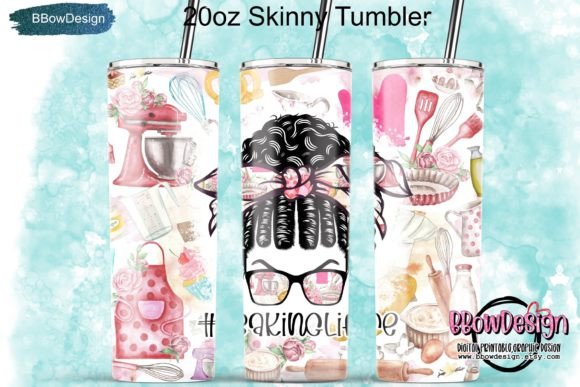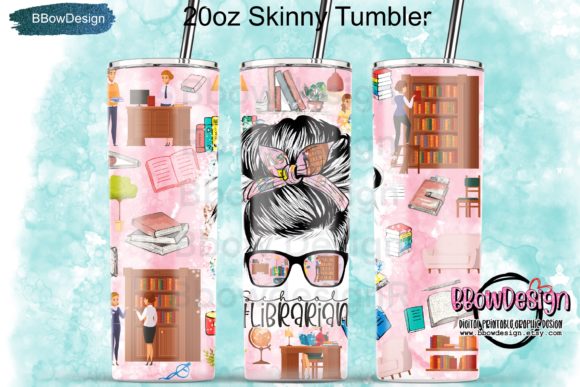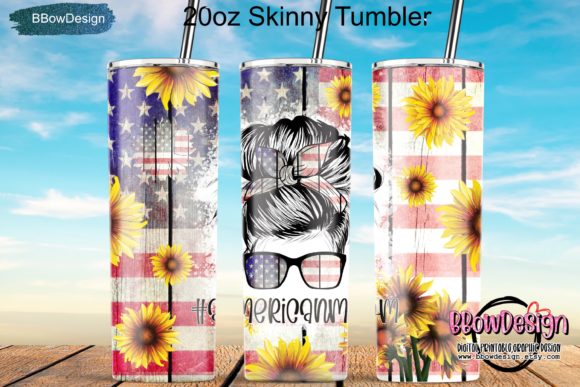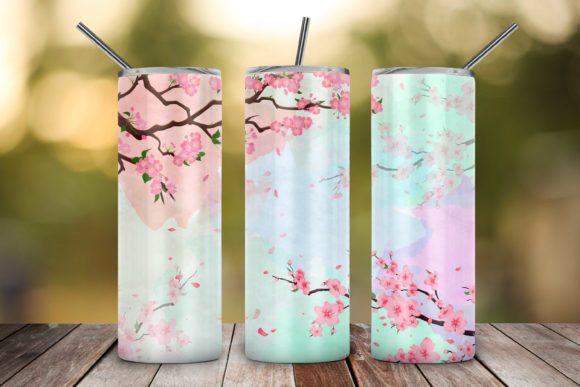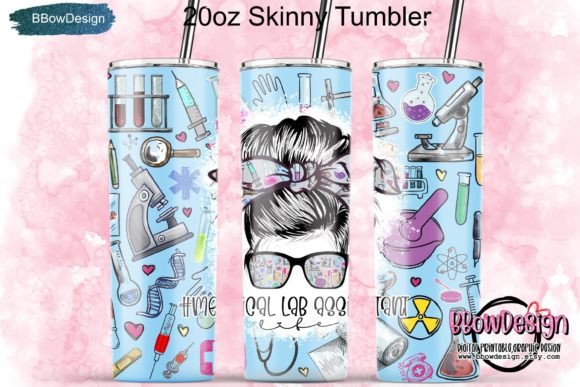
Medical Lab Assistant Life Tumbler
As someone who’s stitched hundreds of custom designs for labs, hospitals, and science-themed small businesses, I opened the Medical Lab Assistant Life 20oz Tumbler file with a very specific question: “Does this translate well from screen to stitch?” Not just as a digital graphic—but as a real-world embroidery project. I tested it on a soft cotton lab coat pocket, then scaled it for a denim tote bag destined for a local hospital’s gift shop. Here’s what held up—and where you’ll want to pause before hitting ‘embroider’.
A Design That Feels Like a Conversation, Not a Label
First impression? This isn’t a sterile clipart badge—it’s warm, human, and quietly confident. The layout leans into playful balance: a stylized microscope or flask (depending on version) anchors the left, while “Medical Lab Assistant Life” curves gently across the center in clean, slightly rounded sans-serif. There’s no clutter—no extra icons, no forced slogans, no overdone medical symbols. That simplicity is its strength. It reads instantly but doesn’t shout. For embroidered apparel—especially on sweatshirts, aprons, or tote bags—it lands like a quiet nod between colleagues, not a corporate slogan.
Where It Shines in Real Embroidery Projects
- Embroidered tote bags: Stitched at 3.25” wide on natural canvas, the lettering stayed crisp, and the icon retained shape without bleeding. Perfect for lab techs carrying supplies—or moms juggling work and school runs.
- Sweatshirt chest embroidery: On midweight French terry, the design held structure without stiffness. The moderate stitch density meant no puckering, and the clean lines translated well even with slight fabric stretch.
- Patches & caps: As an embroidered patch (heat-seal backing), it looked professional and cohesive—not too dense, not too sparse. On a curved cap front? I resized to 2.5” width and used medium tear-away stabilizer—no distortion, no thread nesting.
- Baby items & nursery decor: Used on a cotton muslin pillow cover (scaled down to 2”), it kept charm without looking clinical. Paired with soft pastel thread (heather gray + mint), it felt thoughtful—not generic.
- Holiday gifts & boutique merchandise: I stitched it onto tea towels and kitchen aprons for a “Science Mom” holiday bundle. Customers responded to how recognizable—and relatable—it felt. No decoding needed. Just warmth, pride, and profession, all in one motif.
Where to Proceed With Intention
This isn’t a one-size-fits-all embroidery file—and that’s okay. Its charm comes with gentle boundaries.
It’s not ideal for tiny hoops (under 3”). The letter spacing and icon details start to compress, and satin-stitched edges can blur on under-2” versions. Likewise, avoid using it raw on highly textured fabrics like bouclé or thick terry without testing stabilizer layers first—those subtle curves need support.
On dark fabrics, check contrast early. The design assumes light-to-mid background tones (as seen in its PNG previews). If stitching on navy or charcoal, test white or light gray thread—not just for visibility, but for perceived weight. A heavy fill stitch on dark fabric can read heavier than intended.
And while it works beautifully on flat surfaces, curved or layered garments (like structured jackets or puffer vests) demand careful hooping and possibly reduced density. Don’t assume the file’s default settings will carry over seamlessly—always review stitch count and pull compensation in your editing software.
What It Adds to Your Handmade Product—Beyond the Stitch
Customers don’t buy embroidery—they buy meaning, identity, and recognition. The Medical Lab Assistant Life 20oz Tumbler design delivers that quietly. When stitched on a personalized gift—a baby onesie for a med tech mom, or a graduation cap for a new lab scientist—it signals insider understanding. That builds trust faster than any tagline.
For Etsy sellers and craft fair vendors, it elevates perceived value. It doesn’t look mass-produced. It looks chosen—curated for people who know what a centrifuge sounds like at 3 a.m. And because it avoids clichés (no red crosses, no cartoon syringes), it fits cleanly into brand-consistent product lines—whether you’re selling science-themed nursery art or custom lab wear.
Practical Designer Notes Before You Stitch
- Test on scrap fabric first—especially if using textured, stretchy, or dark material.
- Check thread color contrast in both natural and artificial light; soft neutrals often read warmer and more personal than bright primaries.
- Review stitch density: if your machine struggles with tight fills, consider simplifying small interior shapes manually—or opt for a lighter fill stitch.
- Confirm hoop size compatibility. This design scales well, but always verify your target size matches your machine’s maximum hoop dimensions.
- Inspect small details—like the curve of the “g” or the base of the icon—at actual stitch size. What looks sharp on screen may need slight cleanup for clean satin edges.
- Test black-and-white mockups. Does the silhouette hold up? That tells you whether it’ll work on low-contrast fabric or as a single-color logo.
- Use appropriate stabilizer: medium cut-away for knits, medium tear-away for wovens, and optional topping for napped fabrics.
- Verify licensing terms before selling finished products or bundling the file with other design assets—this is a Tumbler Wraps graphic, so commercial use permissions may vary by seller.
In short: the Medical Lab Assistant Life 20oz Tumbler is a grounded, versatile, and quietly expressive embroidery asset—not flashy, but dependable. It won’t wow with complexity, but it will resonate with clarity. And in handmade product design, that kind of resonance is rare, valuable, and deeply practical.