Lace Dress Cup Wrap: Graphic Templates for Elegant Branding
As a graphic designer who’s built visual identities for boutique wedding planners, handmade skincare lines, and seasonal Etsy collections, I recently evaluated Lace Dress Cup Wrap for a real client project: a limited-edition bachelorette party kit launching next spring. The goal? A cohesive, feminine, and tactile brand experience—across packaging, social media graphics, printable invitations, and merch like reusable cold cups. My first impression? This isn’t just clipart—it’s a mood-setter. Delicate lace motifs, soft curves, and intentional negative space evoke vintage romance without veering into cliché. It reads as modern design with heritage texture—a rare balance.
Where Lace Dress Cup Wrap Elevates Real Client Work
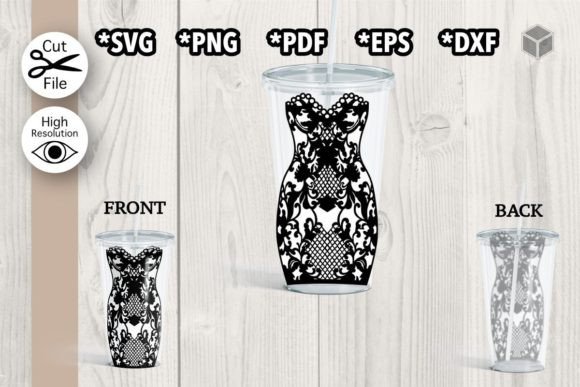
In practice, Lace Dress Cup Wrap shines brightest when used intentionally—not as filler, but as a signature visual motif. For our bachelorette kit, we applied it across three key touchpoints: product mockups (wrapping a 24 oz tumbler in a high-res PNG), Instagram story highlights (scaled down as a subtle border element), and printable thank-you cards (layered behind serif typography for soft contrast). It performed exceptionally well in large layout areas—especially hero graphics and packaging details—where its intricate linework gains dimension and emotional appeal.
It also integrates smoothly into broader creative design systems. As part of a larger design bundle, Lace Dress Cup Wrap pairs naturally with script fonts for invitations, works alongside minimalist sans serifs for clean web design headers, and adds warmth to otherwise clinical sublimation designs on tote bags or mugs. We tested it against display fonts for Pinterest pins and handwritten fonts for digital greeting cards—each time, it reinforced brand consistency without overwhelming the message. Its visual hierarchy remains clear when given breathing room: dominant in hero sections, supportive in decorative accents, and evocative in themed collections like bridal showers or romantic launches.
Where to Use It Thoughtfully—Not Automatically
That said, this isn’t a universal asset. On small sizes—think 1.5-inch sticker designs or mobile app icons—the lace detail blurs into noise. We ran tests at 16px, 32px, and 64px: below 48px, fine lines collapsed, compromising readability and visual trust. Similarly, in crowded layouts (e.g., multi-element flyers or dense editorial design spreads), Lace Dress Cup Wrap competes rather than complements. It should be avoided in low-contrast environments—like light grey lace on off-white backgrounds—or against complex photographic backdrops where texture drowns.
It’s also mismatched for minimalist branding, corporate reports, or professional service firms seeking austerity and authority. If your client’s identity relies on sharp geometry, monochrome palettes, or ultra-clean visual hierarchy, this graphic design asset may dilute professionalism instead of enhancing it. And while it adds charm to Cricut projects and Canva templates, it demands careful layering—especially when cut from vinyl or printed via print-on-demand platforms where registration and bleed matter.
Designer Notes You’ll Actually Use
- Test in black and white first. Lace patterns can lose definition without color cues—confirm legibility before committing to a palette.
- Check contrast on both light and dark backgrounds. We discovered the PNG transparency held up cleanly, but subtle drop shadows needed manual adjustment for dark-mode web design.
- Preview at actual size on real mockups. What looks elegant on screen often reads busy on a physical 24 oz cup—especially near seams or curved surfaces.
- Verify file formats. The SVG version allowed precise resizing for our packaging design; the PNG included clean alpha channels ideal for social media graphics and digital ads.
- Inspect compatibility with your fonts. It harmonized beautifully with serif and script fonts but clashed with heavy geometric sans serifs unless softened with ample spacing.
- Confirm commercial licensing. As with any digital product from a creative marketplace, we validated that the license covers client-facing use—including Etsy product listings, branded merchandise, and paid marketing visuals.
Why It Fits Handmade Business & Small Business Branding So Well
Lace Dress Cup Wrap succeeds because it feels human-made—not algorithmically generated. That authenticity resonates deeply with audiences engaging with handmade business and small business branding. In a sea of generic floral vectors, this asset carries narrative weight: it suggests care, occasion, intimacy. When placed beside product mockups for cold brew tumblers or bridal gift boxes, it signals thoughtfulness—not just decoration. It boosts audience engagement by tapping into emotional appeal: nostalgia, celebration, anticipation. And crucially, it supports recognition. Used consistently across stickers, website banners, and email headers, it becomes a quiet signature—like a custom watermark for joy.
For crafters, Cricut users, and digital sellers, its flexibility is practical: scalable for t-shirt design, adaptable for printable wall art, and refined enough for premium packaging design. As part of a commercial design toolkit, it bridges editorial design needs (e.g., blog visuals for wedding planning sites) and marketing visuals (e.g., Instagram posts promoting a local bachelorette lounge pop-up).
A Final Note on Visual Trust
Ultimately, what makes Lace Dress Cup Wrap valuable isn’t just aesthetics—it’s reliability. In client work, visual trust hinges on predictability: will this asset print crisply? Will it scale without pixelation? Will it feel cohesive across devices and mediums? We stress-tested it across all those points—and it delivered. It’s not flashy, but it’s dependable. And in professional design, especially for small business branding or seasonal campaigns, dependable beats trendy every time.